“We Started Quite Exploratory” Eye-Tracking Startup Raises €3M+
The deep-tech startup says it has crossed €2 million in revenue and now aims to bring cognitive measurement into the consumer market.
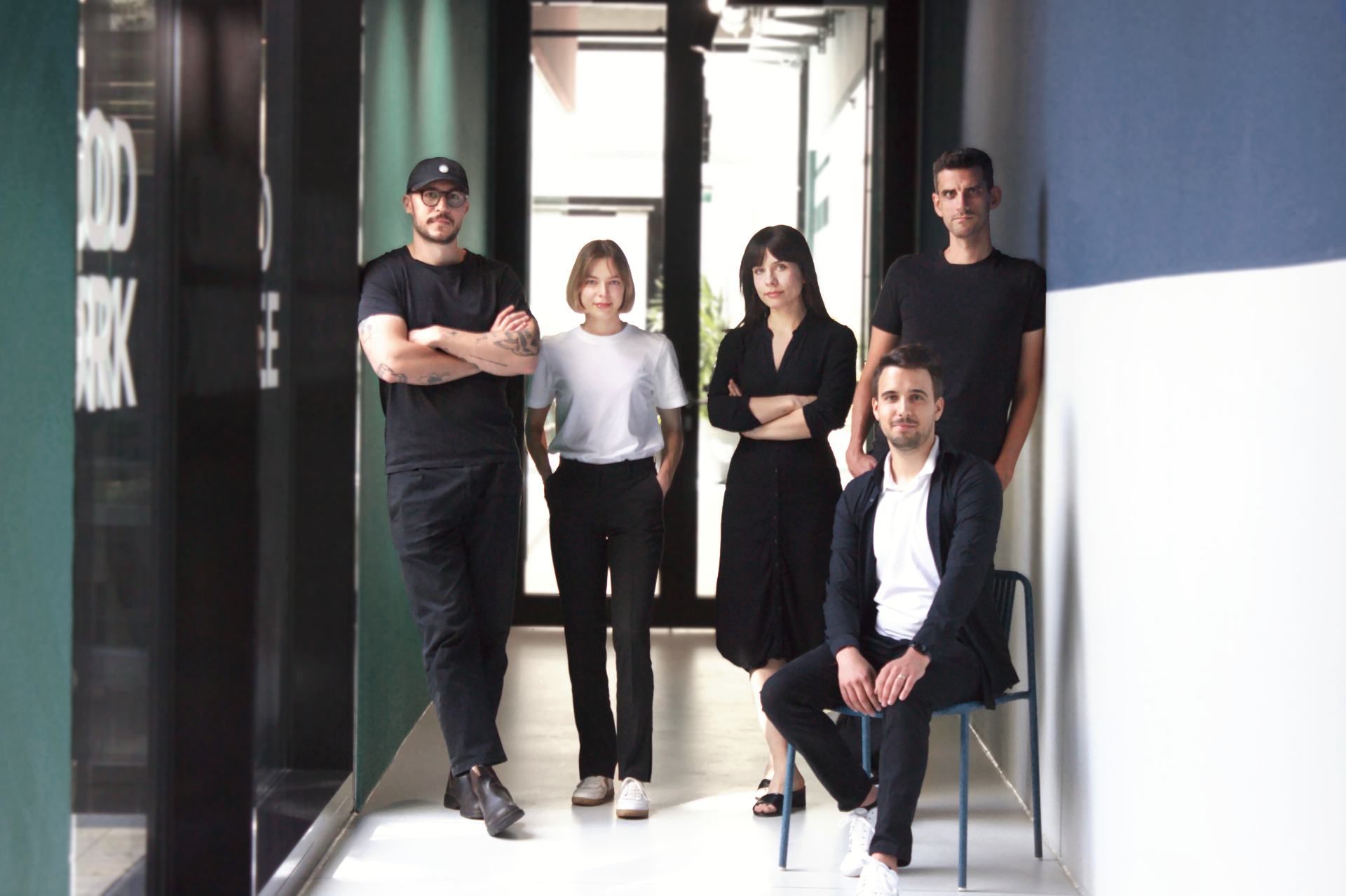
"We are now at a position where we have people from the US moving to Vienna to join us."
Somareality, a Vienna company that reads cognitive states from the way people move their eyes, has closed an oversubscribed Series A of more than three million euros. Catalyst Romania led the round, and all four of the startup''s existing investors returned to invest more: MT-Lab, RDY Ventures, Moondust Ventures and Gateway Ventures. For Catalyst, it is the 13th deal from its second fund and the third investment in Central and Eastern Europe outside Romania.
The pitch is simpler than it sounds. By tracking eye movements, Somareality''s algorithms estimate cognitive load, attention, fatigue and perception in real time, with no invasive hardware. The company is already selling into aviation, healthcare, professional sports, and research, and has booked more than 2 million euros in B2B revenue since launching its first biomarker in 2024. That same year, it raised 1.5 million euros.
Founder and co-CEO Adrian Brodesser says the company did not start with eye-tracking at all. "We started quite exploratory, with the goal of understanding how we can measure cognitive states outside the lab," he told The International. "The first iterations focused on VR, because interactions in digital environments are easy to analyze. We quickly realized eye-tracking had the potential to become the right sensor for our goals."
The new capital is earmarked for three things in 2026: expanding the existing B2B business, funding longitudinal studies that track cognitive health and human performance over time, and pushing the technology into the consumer market. The B2C move is the bigger bet. Somareality wants to put cognitive measurement in the hands of people who, as Brodesser puts it, have always wanted to understand how their minds work but could only do it inside a lab.
For a company with global ambitions, staying in Vienna might look like a constraint. Brodesser sees it the other way. "I was born in Vienna and love it here," he says. "Vienna has an amazing grant landscape. Especially for deep-tech companies, I could not imagine a better place (maybe Switzerland). What Vienna is missing in venture capital, it makes up for in grant funding." The clearest proof, he adds, is on the org chart: "We are now at a position where we have people from the US moving to Vienna to join us."
Alin Stanciu, the partner who led the deal at Catalyst Romania, publicly explained his interest. "Most [companies] are trying to make something faster, cheaper, or more efficient," he wrote on LinkedIn. "Every now and then, one comes along trying to understand something much more complicated: the human mind." He pointed to the customer list as the reason the science already feels practical rather than speculative. "Investing in a company that helps people understand how their brains work is particularly appealing in a world where most of us switch between 100 tasks before lunch."
Get Vienna in your inbox
The stories that matter — straight from The International, every week.
No spam. Unsubscribe anytime.