
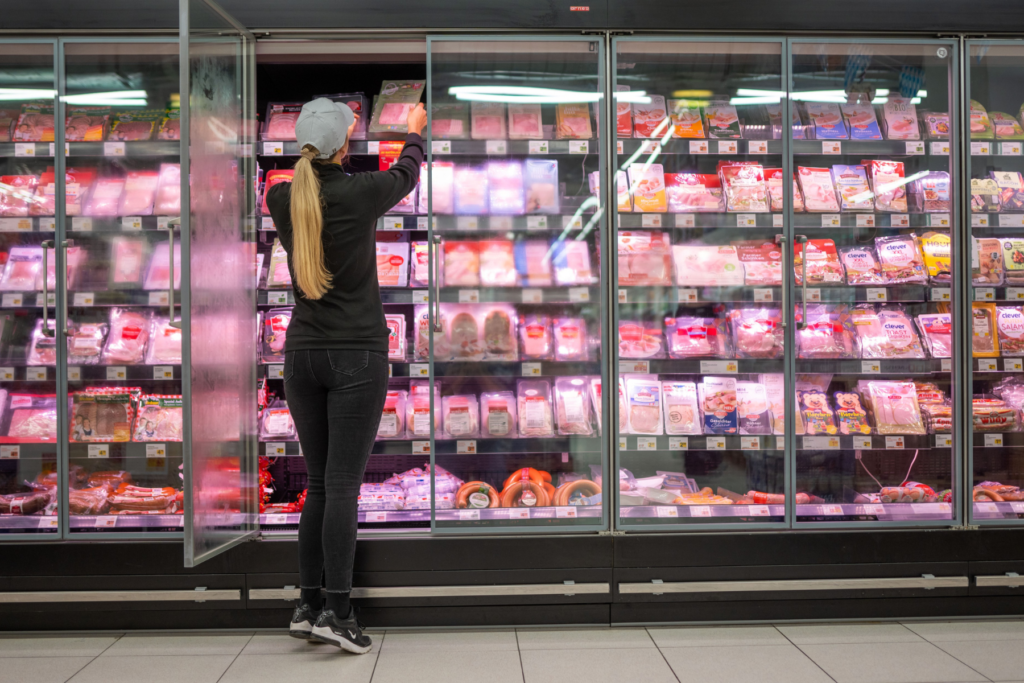
Argentine steaks will not be available at Billa, Lidl, or Spar even after the EU-Mercosur trade agreement is signed in the coming weeks. For Austria’s major grocery chains, fresh meat from South America is not an option; instead, they continue to prioritize meat sourced from Austria. Hofer said on Tuesday evening that it sources fresh meat “wherever possible” from regional producers and will soon sell only Austrian-origin fresh meat, with the exception of special promotional offers.
“Beef, pork, and veal come exclusively from Austria. That will not change,” Spar board member Markus Kaser told the Kronen Zeitung. Hofer also aims to apply this approach to turkey meat as well, the company told APA.
Supermarkets unmoved by Mercosur deal
Rewe subsidiary Billa has sold 100 percent Austrian fresh meat since 2020, including chicken, turkey, pork, beef, veal, game, and lamb. This gives Billa a unique position in Austria’s grocery retail market, a Rewe spokesperson said. Rewe subsidiaries Adeg and Penny likewise have no plans to sell meat from Mercosur countries, which include Argentina, Brazil, Uruguay, and Paraguay.
Lidl Austria said the Mercosur agreement would not affect its product strategy. The company decided years ago not to sell South American meat and will continue focusing on domestic sourcing, including its 100 percent Austrian private-label brand “Wiesentaler.”
100 percent Austrian meat, with exceptions
Hofer said that adjustments planned for the first half of 2026 will ensure that all fresh meat products—including turkey—are sourced entirely from Austria, excluding special promotions. The move is intended as a signal of support for domestic agriculture.
Farmers criticize trade deal
Opponents of the EU-Mercosur agreement warn that increased imports of low-cost products such as beef, poultry, and sugar could put European farmers under pressure. Farmers across the EU have protested, and support measures have been promised to mitigate the impact.
EU ambassadors approved the agreement by majority vote last Friday. France, Poland, and Austria opposed it but were outvoted after Italy changed its position. European Commission President Ursula von der Leyen is expected to sign the agreement in Paraguay on Saturday. The deal still requires approval by the European Parliament to enter into force.
