Austria Plans €1.95B in Subsidy Cuts by 2029
Austria unveils plan to cut €1.95B in subsidies by 2029, introducing time limits, evaluations, and stricter efficiency rules.
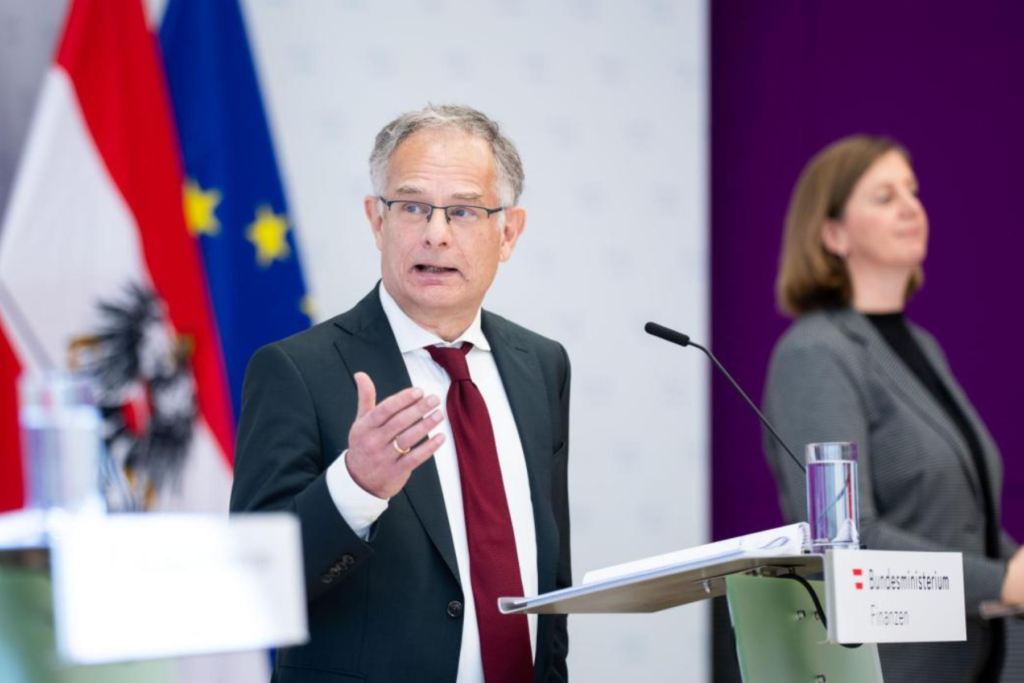
The government agreed on Wednesday in the Council of Ministers on how it intends to handle subsidies in the future. The basis is a newly presented report by the so-called Subsidy Task Force. Specifically, the government plans to save €1.95 billion in subsidies between this year and 2029. All subsidies are to be time-limited and continued only after an evaluation, if at all.
These targets had already been outlined in the budget strategic report. Direct federal subsidies totaled €12.6 billion in 2024. According to the federal budget, they will amount to €10.1 billion in 2026. The Subsidy Task Force calculated that, after deducting so-called “non-discretionary” subsidies—such as those financed through EU funds or the Recovery and Resilience Plan—€7.7 billion in discretionary subsidy volume remains.
Savings to Increase Year by Year
Based on this amount, 3.2 percent is to be saved next year, 5.8 percent in 2028, and 8.4 percent in 2029. To achieve this, the Council of Ministers determined today, according to a statement, that each ministry will contribute and that subsidy programs will be discontinued. The total planned savings from 2026 to 2029 amount to €1.95 billion.
At the same time, the Subsidy Task Force agreed on nine guiding principles that will form the basis of a future federal subsidy strategy aimed at greater transparency and efficiency. These include clear time limits for future subsidies. Any extension will depend on an evaluation of effectiveness.
In addition, subsidies must be more clearly targeted to specific groups, and there must always be a review of whether other measures would be more appropriate and whether the specific subsidy is actually necessary. Furthermore, subsidy measures should generally be implemented by the respective competent territorial authority.
Overlapping Subsidies Under Review
The government will also examine thematic overlaps between ministries in order to increase efficiency and reduce unnecessary additional expenses. Responsibilities and processing offices will be consolidated, and substantive priorities will be set.
Finance Minister Markus Marterbauer (SPÖ) described the report as a “significant step toward realigning the subsidy landscape.” It is also an important component of the necessary spending reductions aimed at achieving the three-percent deficit target in 2028. State Secretary Barbara Eibinger-Miedl (ÖVP) emphasized that the “watering can approach” to subsidies would be tackled. This would address the Republic’s spending problem in a consistent and sustainable way. State Secretary Josef Schellhorn (NEOS) pledged: “We can and we will repair the foundations of this country.”
Get Vienna in your inbox
The stories that matter — straight from The International, every week.
No spam. Unsubscribe anytime.