
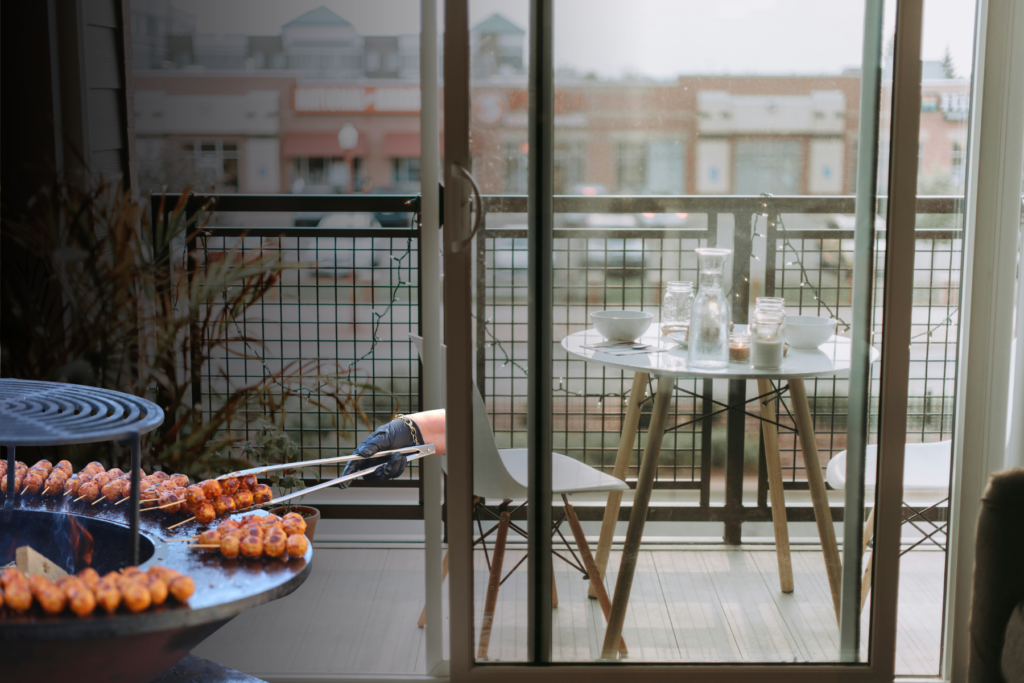
As temperatures rise, many residents of Vienna are once again spending more time outdoors—at least on their own balconies, loggias, or in inner courtyards. Plants are being arranged, furniture set up, and some are considering firing up the grill. But even if these spaces feel private, clear legal rules apply. Here is what tenants are generally permitted to do—and where caution is required.
Balcony and Loggia: Part of the Apartment, With Limits
Balconies and loggias are typically considered part of a rental unit if they are listed in the lease agreement. Tenants are therefore entitled to use and decorate them, provided they do not damage the building structure or unreasonably disturb other residents.
The Vienna Chamber of Labor notes that tenants are obligated to use these areas with due care. Structural changes affecting the building—such as drilling into the façade—require the landlord’s approval.
Plants Allowed With Responsibility
Flowers, herbs, and small shrubs are generally permitted and commonly associated with spring. However, the Austrian Tenants’ Association advises ensuring that plant containers are securely fastened and that water does not drip onto lower balconies or sidewalks.
Greenery is allowed as long as it does not damage the façade or balcony and does not pose a safety risk. Extensive climbing plants that penetrate masonry or affect neighboring units may lead to disputes.
Privacy Screens: Temporary Solutions Preferred
Privacy screens are often used to create more seclusion but may present legal issues. Lightweight, non-permanent solutions such as bamboo mats or fabric coverings are usually allowed, provided they are not permanently affixed and do not significantly alter the building’s exterior appearance.
According to the Vienna Chamber of Labor, structural modifications—such as drilling into walls or installing permanent elements—require approval. In many apartment buildings, house rules also specify what types of screens are permitted. Tenants are advised to review these regulations before installation.
Balcony Furniture: Use Yes, Storage No
Tables, chairs, and loungers are generally permitted on balconies and loggias. However, using the space as a storage area for bulky waste, discarded furniture, or large objects is not allowed.
The Austrian Tenants’ Association emphasizes that balconies must not be misused and must remain safe and accessible. Heavy furniture or improper storage may raise structural or liability concerns.
Grilling: A Frequent Source of Conflict
Grilling on balconies is a recurring issue in Vienna. There is no blanket legal ban, but several factors must be considered.
The Tenants’ Association explains that grilling may be impermissible if it causes excessive smoke or odor or if it is prohibited by house rules. Fire safety regulations may also apply, particularly in buildings with wooden flooring or dense construction.
In practice, electric grills are generally considered less problematic than charcoal grills. Tenants are advised to check their lease and house rules and to be considerate of neighbors.
Inner Courtyards: Shared Spaces With Separate Rules
In many Viennese residential buildings, inner courtyards are not part of individual apartments but are considered shared property. Their use is therefore often restricted.
According to the Austrian Tenants’ Association, placing furniture, plants, or play equipment in inner courtyards typically requires the consent of property owners or the residents’ association. House rules frequently define whether and how courtyards may be used—for example, for seating, playing, or storing items.
