
Starting May 1, 2026, a series of changes to Austria’s road traffic regulations will take effect. With the 36th amendment to the Road Traffic Act, lawmakers are responding to the rise of alternative modes of transport. The goal is to improve road safety and eliminate existing legal gray areas. The Austrian Automobile, Motorcycle and Touring Club (ÖAMTC) outlined the key points.
New rules for e-scooters and e-bikes will apply from May 1, 2026. At the same time, a legal basis will be introduced for automated access controls in certain traffic zones. Additional changes will follow later in the year, affecting driver’s license regulations (from September 1) and e-mopeds (from October 1, 2026).
E-Scooters Classified As Vehicles
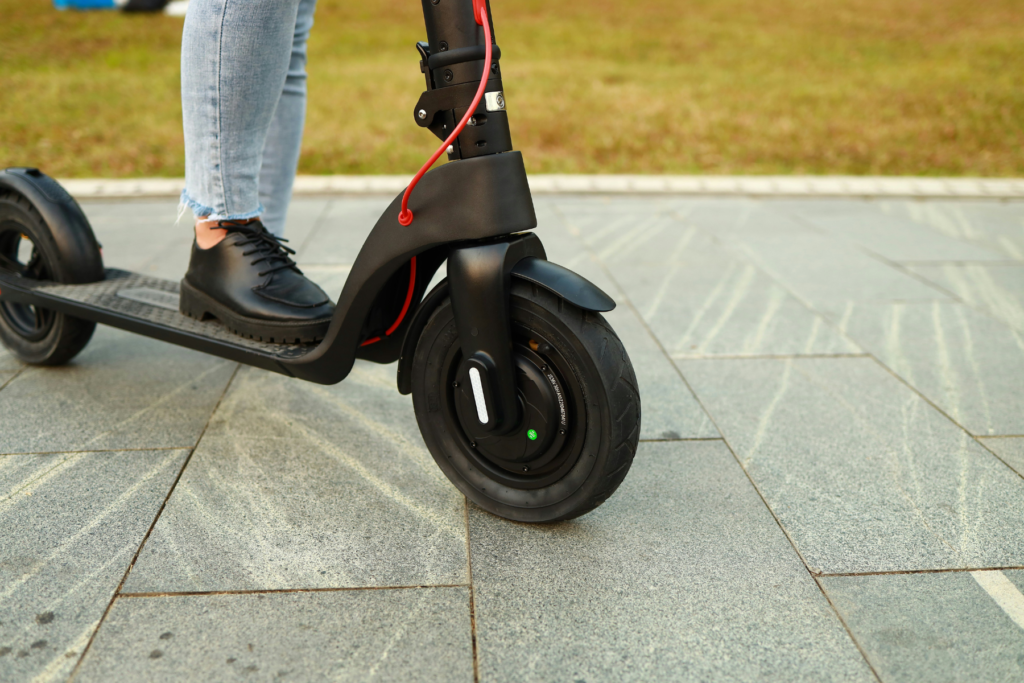
One of the most significant changes is that e-scooters will officially be classified as vehicles. This introduces clear technical requirements. These include a functioning brake, a bell or horn, and multiple reflectors—white at the front, red at the rear, and yellow on the sides. Turn signals at the ends of the handlebars will also be required.
In darkness or poor visibility, a white front light and a red rear light must be switched on, with the rear light permitted to flash. A blood alcohol limit of 0.5 is also being introduced for riders.
Riders under the age of 16 will be required to wear a helmet. The amendment also clarifies that only one person may ride an e-scooter at a time, and carrying items—such as on the handlebars—is prohibited. E-scooters may be used wherever cycling is permitted.
Cameras To Enforce Traffic Restrictions
The amendment also introduces the possibility of automated access controls in traffic-calmed areas. Cameras will be able to detect whether multi-lane vehicles enter such zones without authorization, including in planned areas such as Vienna’s city center.
Data protection requirements apply. Only vehicle license plates may be recorded, not pedestrians or other road users.
The ÖAMTC has criticized aspects of the reform, citing a lack of uniform national rules—for example, regarding where such zones may be established and who is permitted to enter them. It also raised concerns that some cities could use the controls primarily to generate revenue, drawing comparisons with experiences in Italy.
E-Mopeds: Major Changes From October
The most far-reaching changes affect e-mopeds, which are often used by delivery services. From October 1, 2026, they will be classified as motor vehicles and will no longer be allowed to use bike lanes.
Additional requirements will apply, including registration, insurance, a driver’s license, and mandatory helmet use. According to expert Wolf, the delayed implementation is intended to give those affected time to prepare. Riders who wish to continue using their vehicles will need a valid license, and the vehicles must be registered and insured.
