
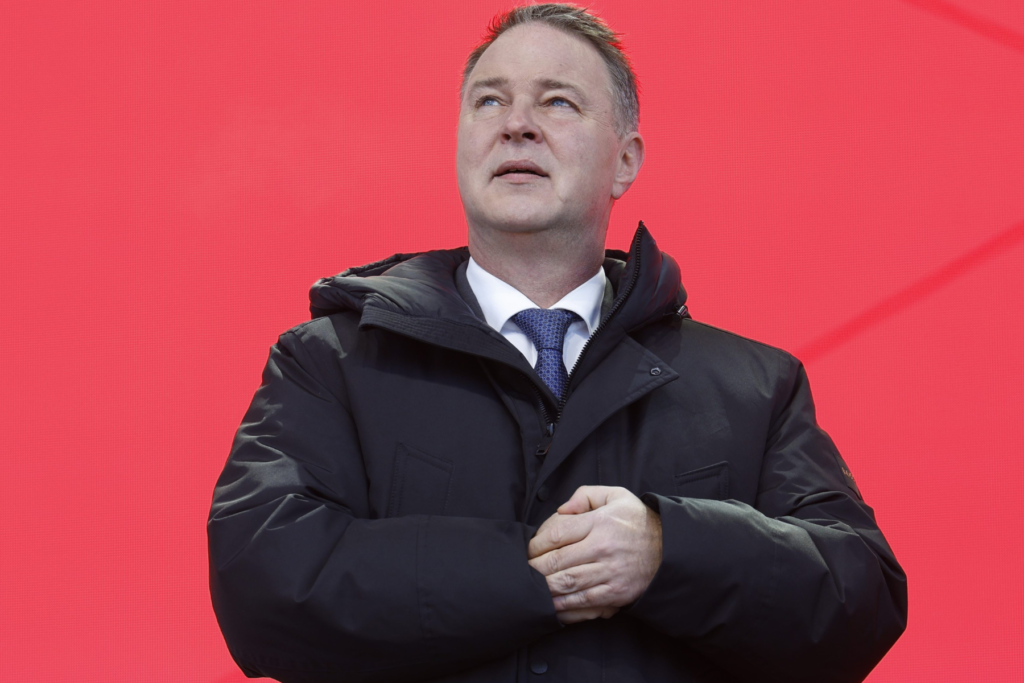
From a personnel perspective, the Social Democratic Party of Austria (SPÖ) is once again heading into a decisive year. If Vice Chancellor Andreas Babler is confirmed at a party congress in March, the Social Democrats are likely to enter the key provincial elections of 2027 and 2028 without changes at the top. Babler was nominated as a candidate by the party executive in November, but party headquarters confirmed on request that the body could still put forward another contender.
This is somewhat unusual, given that the new party statutes were intended to ensure that, in the event of multiple candidates, the decision would be made through a vote of the membership. The deadline to register as a challenger to Babler passed in mid-October without any candidate submitting the required declarations of support. It was therefore clear that the party congress would decide—originally intended only for cases in which a single candidate was running.
Kern seen as the only serious contender
For months, rumors have circulated that Babler could still face competition. Former party leader Christian Kern is considered the only serious potential challenger, though he has so far made no public declaration. Several provincial party organizations would reportedly welcome a return by the former chancellor. In Vienna, however, which commands a large number of delegates, Kern’s abrupt departure in 2018—widely seen as having left the party in disarray—has not been forgotten. Within the influential trade union wing, meanwhile, support for Babler remains strong, with party officials saying he has consistently been receptive to the FSG’s demands.
If Kern were to decide to run after all, there would be no formal obstacle provided he secured a majority on the party executive. The SPÖ says it does not expect additional candidates, but the executive retains the option. Only one regular executive meeting remains before the congress, scheduled for February 13. In January, the party leadership will hold a retreat to prepare the congress agenda. The main policy motion must still be approved by the executive in February. The party congress will take place on March 7 at the Vienna Exhibition Center.
The personnel debate was recently fueled by an IFDD poll published by the Kronen Zeitung, which put the SPÖ at 24 percent with Kern as lead candidate, compared with 18 percent under Babler. Babler, however, is defending a strong mandate: at the most recent party congress in Graz in November 2023, he received nearly 89 percent of delegate votes. The next regular party congress after March will not take place until 2029, the year of the next general election.
