
Young Austrians are increasingly under psychological pressure, according to the latest surveys. Against this backdrop, the Austrian League for Child and Adolescent Health (Kinderliga) and the Federal Youth Representation (BJV) presented the results of a dialogue project on Thursday, during which 12- to 25-year-olds voiced their needs regarding mental health.
“Half of all young people are under enormous pressure to be perfect, experiencing stress in everyday life, at school, but also within their families,” explained Kinderliga Vice President Hedwig Wölfl. In the “Mental Health Days Study” 2024, 28 percent reported that they had already had suicidal thoughts. Sixty-eight percent said they had felt gloomy, hopeless, or depressed on at least one day shortly before the survey.
As part of the TOPSY Youth Project, more than 50 young people met with health experts and politicians on three dates in May and June 2025. Beforehand, the organizers said they conducted focus groups and evaluated current studies on adolescent mental health.
Concerns about wars, terrorism, and climate
The Covid pandemic intensified the problem, but even before that, one-quarter of adolescents had been affected by mental disorders. In addition to perfectionism and performance pressure, the multitude of crises also weighs heavily. In the Ö3 Youth Study 2025, 82 percent reported concerns about wars, 75 percent about terrorism, and 58 percent about climate issues.
For health scientist Rosemarie Felder-Puig, the mental health of apprentices is particularly worrying. The Apprentices’ Health Study, conducted every four years, most recently showed that only 72 percent of female apprentices and 79 percent of male apprentices rated their mental health as very good or excellent. “That is extremely low for this age group.”
Organizations demand support measures
Kinderliga and BJV are calling for more insurance-covered psychosocial support centers, an increase in school psychologists, more help at the first point of contact, and regular preventive consultations. The dialogues showed that young people often feel left alone with their problems or have to wait too long for help.
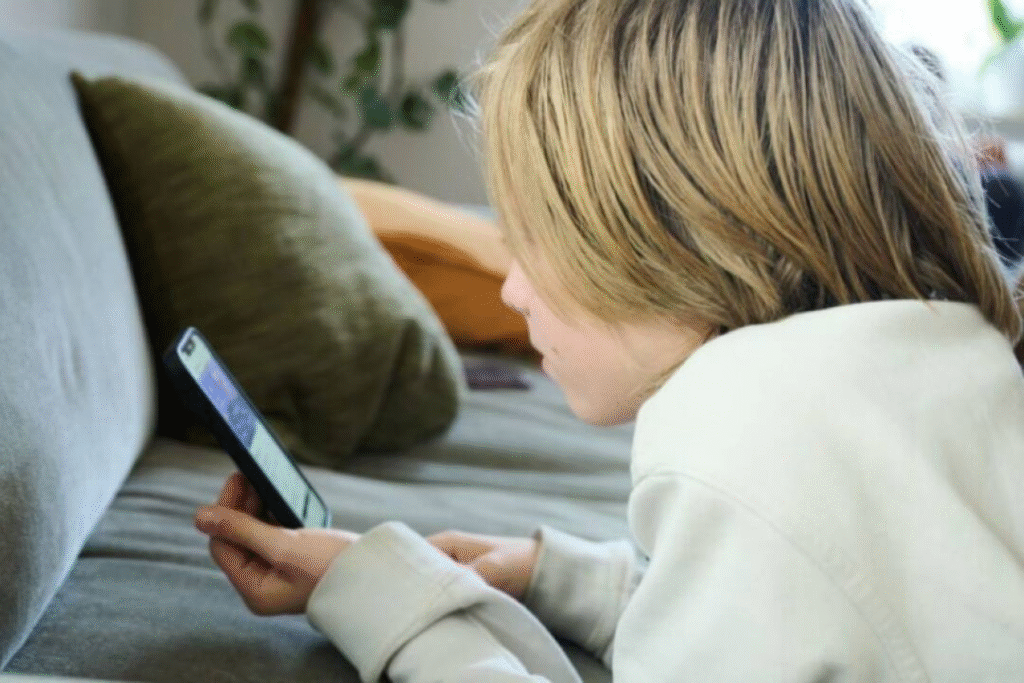
According to Wölfl, young people themselves notice that they often spend their free time isolated in front of screens. Regarding the internet, “all young people had similar experiences,” said Paula Schwentner from the TOPSY Youth project management team, citing comparison pressure, addiction potential, and disinformation. For this reason, Kinderliga and BJV want to promote media literacy in schools. Young people themselves also pushed for this – but rejected internet bans.a
