
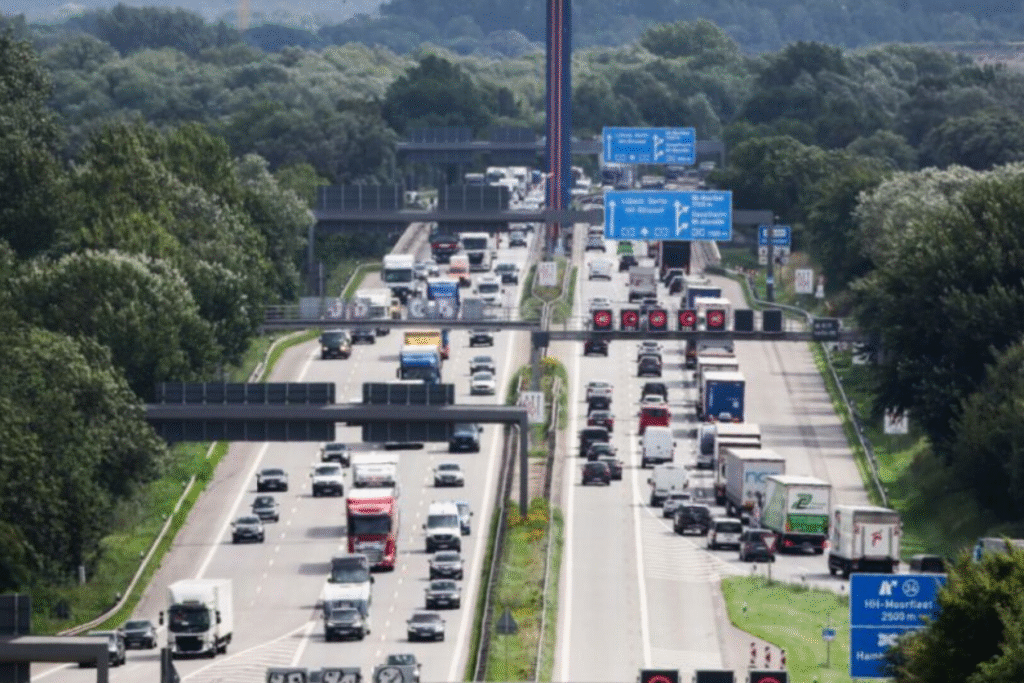
Many people forget their good manners in traffic. In conflicts, harsher words are often used to vent frustration. According to a survey, the most commonly used insults in Austria are “Trottel” or “Volltrottel” (roughly “moron” or “complete moron”) at 19 percent, while references to the human backside are also very popular (17 percent). These results were published Friday by the prevention institute KFV.
In third place are the terms “Idiot/Complete Idiot” and “Depp/Deppada/Deppert” (each 12 percent). Three percent sarcastically ask whether someone “won their driver’s license” or issue a lesson with “learn how to drive” (3 percent each). In addition to even harsher words, “Koffer/Complete Koffer” and “Oida” are also used (3 percent each). Two percent urge others to move faster with phrases such as “drive already/come on/keep moving.”
However, caution is advised when using such strong language.
“Anyone who insults a person in public in front of at least three others may be committing a criminal offense. Or those insulted may feel so offended or upset that the risk of an accident increases,” said Klaus Robatsch, head of traffic safety at KFV. Moreover, verbal aggression can also turn physical.
Tensions rising
Drivers are most annoyed by speeding (66 percent), followed by people who fail to use their turn signals (62 percent) or enter an intersection on yellow (59 percent). Among cyclists, the biggest complaints are riding on sidewalks, weaving through cars (52 percent each—though the latter is the only permitted annoyance), and failing to signal when turning (51 percent).
According to the study, tensions in traffic have increased over the past five years. The survey was based on responses from 2,260 people between the ages of 15 and 75. Reasons cited include more stress, inattentiveness, and distraction. The most frequent conflicts occur between drivers and cyclists (68 percent), between car drivers themselves (55 percent), and between drivers and e-scooter riders (44 percent).
E-scooters, e-bikes, and bicycles changed the streetscape
The streetscape has also changed significantly in recent years, especially due to e-scooters, e-bikes, and bicycles.
“When you consider that all of these quite different vehicles are moving at the same time on the same roads today, this perception cannot be denied. Unfortunately, conflicts repeatedly occur,” Robatsch said.
Indeed, this group also has particularly high accident-prevention potential. Injuries among users of e-scooters, e-bikes, and bicycles have risen sharply. Last year alone, 45,000 people were injured and 39 killed while using these single-track vehicles. For this reason, KFV is calling for improvements to transport infrastructure, such as wider bike lanes and more cycling infrastructure separated from car traffic.
This year, however, the number of fatalities is expected to rise significantly, according to KFV. The target of Austria’s road safety strategy—no more than 310 traffic fatalities by the end of the year—will clearly be missed. According to forecasts, 369 women, men, and children could lose their lives in road traffic this year.
