Vienna Budget Gap for 2025 Revised Down to €2.8 Billion
Vienna expects its 2025 budget deficit to total €2.8 billion, €1 billion less than forecast, with lower debt and reduced interest costs.
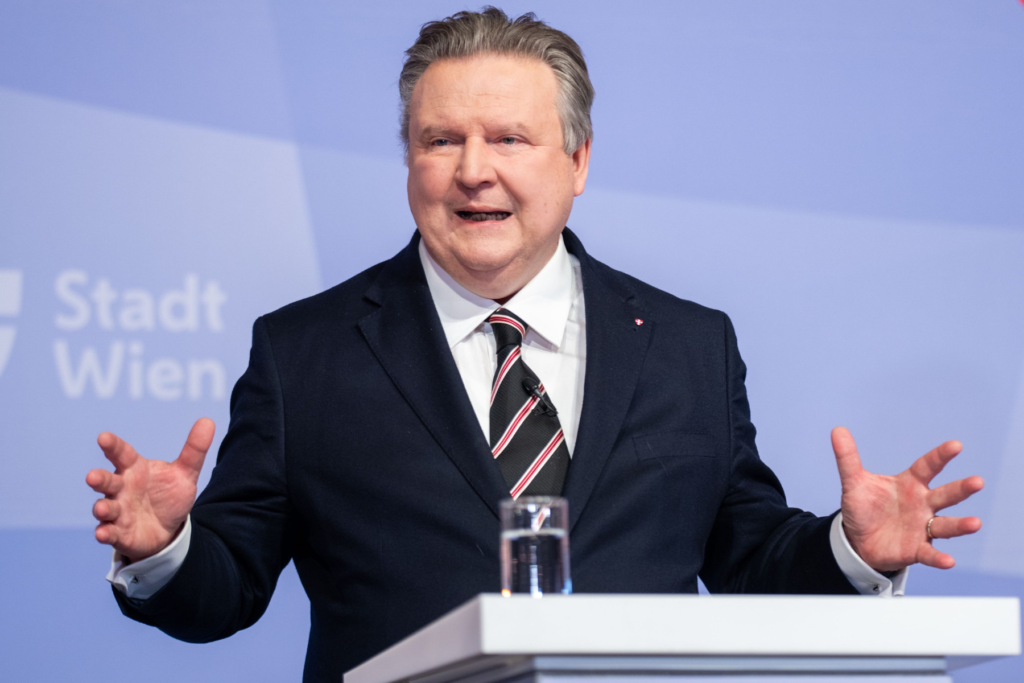
Vienna’s budget deficit for 2025 is likely to be slightly lower than previously feared. According to initial calculations, it amounts to €2.8 billion. This would be €1 billion below the €3.8 billion deficit forecast at the beginning of last year, the office of Mayor Michael Ludwig (SPÖ) told the Austria Press Agency (APA). Final figures are not yet available and will only be presented with the final accounts, scheduled for June.
Budget deficit reduced by around €1 billion
As recently as November, the budget deficit had still been expected to total around €3.25 billion. The figure has since been lowered by a further roughly €450 million, it was emphasized. However, the city remains well above the figures set out in the budget framework. In the 2024/25 double budget, a comparatively moderate deficit of €2.2 billion had still been projected for 2025.
Vienna’s debt level also declining
The updated figures come from the quarterly report to the City Council’s Finance Committee. City officials stressed that the revised assessment also affects the projected debt level. At the end of 2025, Vienna’s debt is now expected to stand at €14.4 billion instead of the previously forecast €14.9 billion.
This adjustment alone is expected to reduce interest expenses by up to €50 million. In terms of debt per capita and as a percentage of economic output, Vienna remains in the middle range compared with other Austrian provinces.
SPÖ speaks of successful consolidation
Mayor Ludwig said the budgetary situation remains challenging for all levels of government. “We are committed to consolidation, but consolidation will only succeed if we simultaneously increase employment, stimulate economic growth, and continue to invest in key future sectors,” he said.
Finance City Councillor Barbara Novak (SPÖ) also expressed confidence, saying the city was striking a balance between financial stability and maintaining high social standards for Vienna’s residents.
ÖVP warns of record debt, FPÖ criticizes fiscal policy
Vienna ÖVP leader Markus Figl warned that the revised figures should not obscure the fact that the city is still heading toward record debt levels under SPÖ and NEOS. Despite depleted reserves, new debt continues to be accumulated, he said.
FPÖ Vienna leader Dominik Nepp described the city government’s approach as “fiscal madness,” arguing that the large budget gap is being filled through new taxes, fees, and burdens on working people. Green Party leader Judith Pühringer also criticized the city government, saying it had failed to get the budget under control and was acting without sufficient transparency.
Get Vienna in your inbox
The stories that matter — straight from The International, every week.
No spam. Unsubscribe anytime.