
German language courses for refugees are being reformed. Starting in April, mandatory self-study periods will be introduced in addition to in-person instruction.
The courses will place a stronger focus on practical language use. From language level B1 onward, regional dialects will also be taught. More flexible course schedules and child care services are intended to make participation easier.
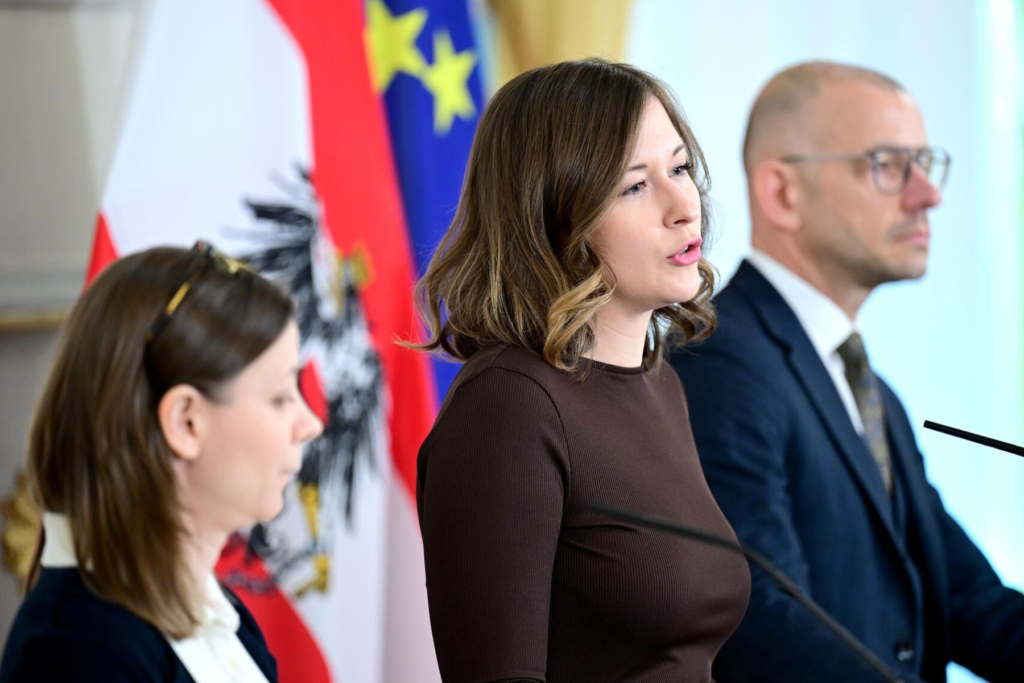
This will make the process “more binding, more practical for everyday life, and more effective,” Integration Minister Claudia Bauer (ÖVP) said today at the presentation of the new German courses offered by the Österreichischer Integrationsfonds (ÖIF) for asylum seekers with a high likelihood of staying, recognized refugees, beneficiaries of subsidiary protection, and displaced persons.
Independent Learning
Anyone who wants to make progress must also study at home, Bauer said. Therefore, independent learning will be more strongly promoted. The new self-study periods will also be included in performance assessments.
Completion of homework assignments must be documented transparently. In cases of insufficient participation, sanctions may be imposed, up to and including expulsion from the course. Since not all refugees have suitable learning conditions at home, self-study rooms will be made available, said Carla Pirker, head of ÖIF German course funding.
To enable independent learning, digital basic skills will also be taught at all course levels. In addition, the ÖIF plans to expand evening and off-peak course offerings to allow working participants to attend, as well as increase online options.
