Airport-Level Security for Eurovision in Vienna
Vienna enforces airport-level security, ID checks, and a strict no-bag policy for Eurovision 2026, with cyber defenses in place.
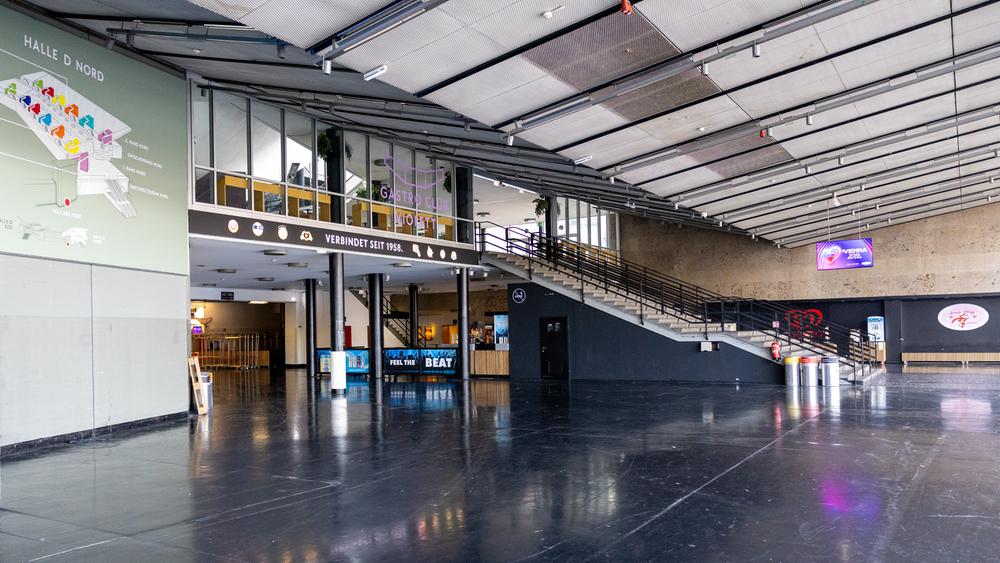
Because security is once again a priority at the Eurovision Song Contest this year, ORF is currently working closely with the Vienna police, the Interior Ministry, the City of Vienna, and all relevant authorities on a comprehensive security concept. All individuals involved in the event will undergo strict security checks in advance. Airport-level security will apply at the Vienna Stadthalle. Police will be present with specialized units and a canine unit and will also implement counter-drone measures.
Experience, Expertise, Coordination
“The Vienna police bring extensive experience in large-scale events. To ensure the highest level of security, special operational structures and coordination mechanisms will be established. A key component is close exchange with police authorities responsible for previous Eurovision host cities. We are responding to the elevated threat level with experience, expertise, and international networking. Together with ORF, the City of Vienna, and other partners, this event will be conducted professionally and safely,” said Deputy State Police President General Dieter Csefan.
Airport-Level Security at the Stadthalle
Airport-level security will be in place at the Vienna Stadthalle for the entire duration of the ESC. Everything entering the building—from tons of production equipment to visitors’ cell phones—will be scanned and examined by detection dogs. Metal detectors and X-ray scanners will be installed at all staff entrances. In addition, 180 new surveillance cameras will monitor the premises, and around 500 security personnel will be deployed daily at the Stadthalle alone. The audience should also expect extensive entry checks with metal detectors and possible waiting times, as thorough screenings will be conducted by security staff. Visitors should therefore allow extra time for entry, similar to airport procedures.
Strict No-Bag Policy
One of the security measures that distinguishes the Eurovision Song Contest 2026 from other major events is a strict no-bag policy: bags, backpacks, waist packs, and handbags are strictly prohibited. Only small personal items such as wallets, cell phones, and keys, as well as transparent containers no larger than A6 size, are permitted.
No Entry Without ID
All tickets are personalized and available exclusively in electronic form via mobile phone. Screenshots of tickets are not sufficient. The QR code will appear on the phone approximately 48 hours before the show—also a security measure. A strict identity check with photo ID will take place at entry. Visitors without valid identification will not be admitted.
Remaining Tickets Available in March
Remaining tickets will go on sale in a second wave on March 26 at 3:00 p.m. The exact number is not yet final, but likely only a few thousand tickets, according to Oliver Lingens, Head of Event. These include tickets not claimed by delegations and partner organizations.
Only individuals who had already registered for the first ticket wave several months ago will have a chance to purchase tickets. Those who did so will now have to “keep their fingers crossed,” said ORF Director General Roland Weißmann. Sales are expected to move as quickly as during the first wave, when tickets sold out in record time.
Cybersecurity: The Digital Shield
To best protect the ESC’s digital infrastructure, ORF has established a Cybersecurity Coordination Group together with the Federal Ministry of the Interior and the European Broadcasting Union to continuously assess the threat situation and adjust protective measures accordingly.
“Security-relevant activities surrounding ESC 2026 have been closely monitored for months. We continuously analyze experiences from other international major events and systematically incorporate them into our planning for Vienna. Our situation assessments allow us to identify threats in real time and take protective measures in a timely manner,” said Harald Kräuter, ORF Director for Technology and Digitalization.
ORF is also implementing awareness measures to urge the public, hotels, and suppliers to exercise caution. The broadcaster again warns of fake tickets and fake prize draws, as tickets will also be raffled off through competitions starting in early March. Only those from authorized national partners are legitimate.
Get Vienna in your inbox
The stories that matter — straight from The International, every week.
No spam. Unsubscribe anytime.