
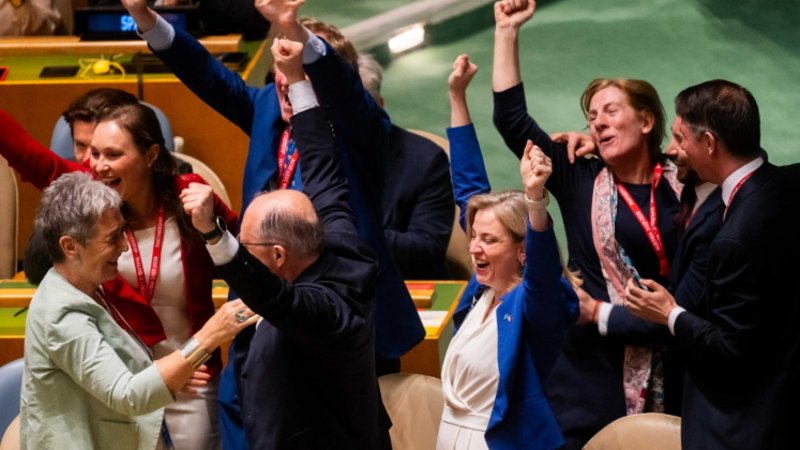
Austria has been elected by United Nations member states to serve as a non-permanent member of the UN Security Council for the 2027–2028 term, a result the federal government described as a strong international vote of confidence. The campaign for the seat lasted 15 years and was supported by the entire Austrian government.
According to the government, Foreign Minister Beate Meinl-Reisinger personally sought support from representatives of more than 150 countries over the past 15 months. The effort also involved Austria’s president, chancellor, government ministers, members of parliament, special envoys, and diplomats. The government said the campaign emphasized partnership, trust, and dialogue during a period of growing global polarization.
Austria Outlines Priorities
Austria said it intends to use its seat to advance reform of the UN Security Council and promote several policy priorities, including the protection of civilians, strengthening peacekeeping missions, defending the international legal order, and addressing threats posed by new technologies such as artificial intelligence and disinformation.
According to the government, these issues are directly relevant to security and stability in Europe and Austria.
The government also said the Security Council seat would strengthen Austria’s role as an international hub. It expects greater visibility for Vienna, one of the four official UN headquarters cities and home to numerous international organizations, as well as potential benefits for conference tourism and the broader economy.
Government Leaders Welcome Election
Chancellor Christian Stocker described the election as a major diplomatic success for Austria. “We do not want to simply watch from the sidelines as the world develops,” Stocker said. “We want to actively help shape it and contribute to peace and security around the world.”
Foreign Minister Meinl-Reisinger said years of diplomatic outreach had paid off, adding that Austria would once again have a seat at the table where decisions on peace, security, and stability are made. She said the election strengthens Austria’s voice internationally in political, economic, and security matters and reflects confidence in Austrian diplomacy.
Vice Chancellor Andreas Babler also welcomed the result, calling it “a strong signal of trust.” He said Austria’s responsibility would be to strengthen peace, facilitate dialogue, and defend international law. “The world needs more cooperation, not less,” Babler said.
